
Jakarta is perhaps the most well-known example. Then there are Rotterdam, Tokyo, Alexandria, and New Orleans: these are the so-called “sinking cities.” The phenomenon is expanding, driven by a combination of factors that interact to create a perfect storm. Encouragingly, awareness is also growing, along with the ability to manage the crisis through targeted, practical solutions. These must be implemented now to prevent the cost of a well-known risk from becoming unsustainable in the near future.
The causes behind the phenomenon
The reasons behind the accelerating trend of sinking cities are not difficult to identify. While cities have always coexisted with river and marine ecosystems, it is only with increased human pressure in densely urbanized areas that the issue has become critical.
Climate change has made the greatest challenge for coastal cities tangible: rising sea levels, which have increased by 20 centimeters since the early 20th century. This figure is expected to grow faster than previously anticipated, according to recent studies published in Nature, which suggest the risks may have been underestimated even in assessments by the Intergovernmental Panel on Climate Change (IPCC).
This slow but insidious threat is compounded by extreme weather events triggered by global warming—most notably intense rainfall, often referred to as “cloudbursts,” which cause flooding and erosion. The growing population of megacities further exacerbates the issue. Increasing demand for water places pressure on aquifers which, when progressively depleted, lead to subsidence—the gradual sinking of land.
The risk of inaction
In the face of these challenges, the need for action is becoming increasingly urgent, as highlighted by a recent World Bank report, “Resilient Economies: Strategies for Sinking Cities and Flood Risks”. The cost of inaction is first and foremost a threat to populations, especially the most vulnerable.
Delaying intervention will also make future solutions more expensive. Without adaptation policies, the total global cost of exposure to subsidence and flood risk is estimated at $8.17 trillion—equivalent to 12% of global GDP. Entire cities, the report warns, could become uninhabitable traps, triggering climate-driven migration involving tens of millions of people, with incalculable economic and social consequences.
Solutions already in motion
Despite this critical scenario, attention must focus on solutions—many of which already exist and have been successfully implemented by various municipalities. The key lies in data collection and the development of policies tailored to local contexts, rather than standardized, top-down approaches.
Rotterdam offers a strong example. Built in several areas below sea level, the Dutch city has long faced the threat of water and has responded with an extensive system of dams and canals. As risks have increased, the city has adopted integrated programs addressing both water containment and urban resilience. The massive Maeslantkering storm surge barrier acts as a movable sea gate during storms. Within the city, public squares have been redesigned as water retention basins during heavy rainfall, reducing surface flooding, while underground storage and green roofs provide additional capacity.
Among the most notable success stories is Tokyo—the only city to have effectively halted subsidence. The issue emerged after World War II during rapid industrialization, which severely impacted groundwater levels. Once identified, the government responded decisively by relocating industries, securing alternative national water sources, and implementing efficient water management plans, largely without relying on major new infrastructure.
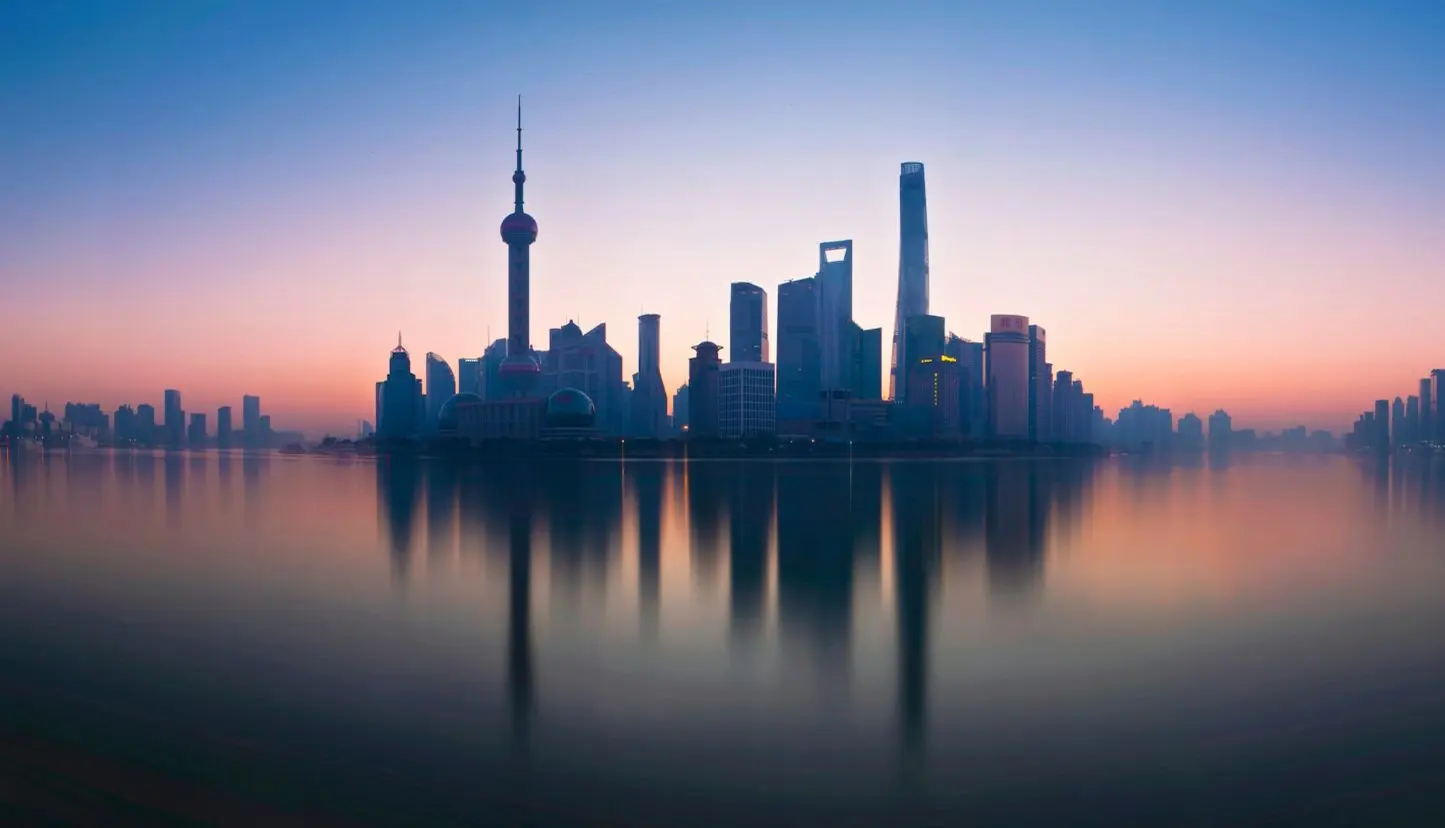
Elsewhere in Asia, Shanghai has also set an important precedent. The megacity has developed an innovative system for artificially recharging aquifers, continuously monitored through sensors to maintain stable groundwater levels. Advanced technologies, including satellite measurements, allow for constant monitoring of subsidence. Urban planning policies have also been updated since the 1990s: construction has been limited in certain areas to reduce human pressure and mitigate the impact of rising sea levels near the estuary.
The most extreme—and perhaps most widely known—case is Jakarta. Indonesia’s capital has experienced some of the fastest subsidence ever recorded, reaching up to 200 millimeters per year, according to World Bank data. The causes include rapid urban growth and the loss of natural wetlands, whose disappearance has accelerated land sinking.
The government’s response has been remarkably drastic: the gradual relocation of the capital to a new city, Nusantara, on the island of Borneo. More a warning than a solution, this case underscores the urgency of addressing the problem with determination—before the consequences become irreversible.
[Photo by Freeman Zhou on Unsplash]