
In recent years, the growth of tourism has exposed a widening gap between the accessibility of experiences and sustainability, between consumption and resource management, between market forces and economic inequality, between value extraction and identity. While tensions between visitors and residents erode social consensus, pressure on the environment, a shortage of investment and skilled labor, geopolitical tensions and climate disasters are opening up a new set of challenges.
The Travel & Tourism sector could reach $16 trillion in GDP by 2034, more than 11% of the global economy. But if growth is not managed properly, it can overwhelm infrastructure, distort the real estate market, drive up the cost of living for local communities, and take a toll on the environment and other limited resources. Vulnerability to disruptive global events is heightened in such an interconnected system, as seen during the Covid crisis.
Infrastructure, finance, technology and innovation, people and skills, and policy and governance are the five key enablers identified by the World Economic Forum in its white paper “Beyond Tourism: Coordinated Pathways to Inclusive Prosperity,” needed to turn tourism into an interconnected “system of systems” capable of becoming an engine of prosperity and a catalyst for resilience, inclusion and regeneration.
Experts point out that the main barriers to development stem from competing interests, inefficient institutions and fragmented responsibilities, but these can be addressed by pursuing shared benefits, offering technical support, building partnerships with institutions, and guaranteeing opportunities for residents and local SMEs. Coordination should be seen as an ongoing process rather than a fixed design. Among success stories, the most common features are:
- Multi-stakeholder governance structures with real authority
- Integrated planning that includes both visitors and residents
- Revenue-sharing that distributes benefits fairly and systematically
- Coordination among the five enablers that amplifies benefits and mitigates negative spillovers
Managing overtourism
Tourism in Portugal had rebounded quickly after the 2008 crisis, but growth was concentrated in Lisbon and Porto, congesting airports and neighborhoods and fueling friction between tourists and residents, while much of the interior remained underdeveloped. Between 2010 and 2019, tourist arrivals more than doubled and the sector's contribution to GDP reached 15%. More than 400,000 jobs were created in tourism, and diversified visitor flows increased the share of overnight stays in central and northern Portugal from 28% to 36%, easing pressure on the Algarve and the capital.
Behind this was sustainability planning and coordination at every level: airports, railways, coastal management and regional growth strategies were planned in tandem through interministerial committees. Digital platforms were created to connect SMEs to the wider market, while the education system was linked to the labor market. Projects built around competitiveness, sustainability and community were funded through public and private investment. More than 1,700 stakeholders were involved, including municipalities, SMEs and environmental groups, improving resident satisfaction.
Sustainability amid fragility
Tourism in Egypt had grown rapidly in the late 2010s, with 6.1 million arrivals in the first seven months of 2018, up from 4.3 million the year before. Siwa, an oasis in the western desert known for its palm groves, springs and mud-brick architecture, was grappling with fragile ecological conditions and the risk of unplanned development, yet managed to capture part of this flow, becoming a sustainable destination in a vulnerable environment.
Private individuals and community members mobilized capital, expertise and resources, launching projects rooted in cultural heritage, restoring local architecture and developing eco-lodges that used local materials and low-impact designs. Most of the investment came from small-scale projects in hotels, restaurants and tour-guide agencies. For 61% of stakeholders, personal community networks were the main marketing channel, and these initiatives created jobs for local residents. The revival of traditional crafts and training programs created opportunities for young people and women.
A city for everyone
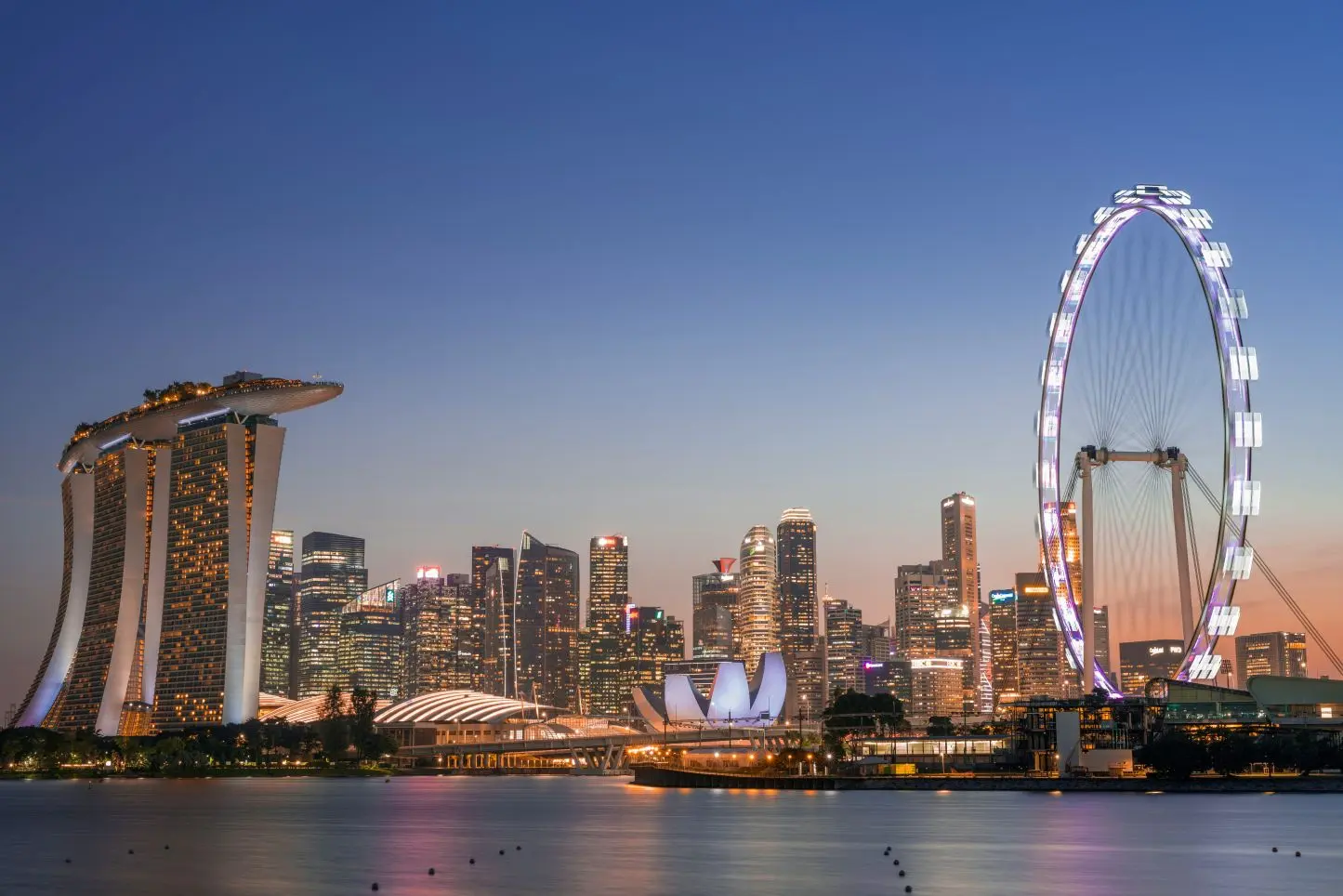
Caught between international competitiveness and urban livability, Singapore has, since the early 2000s, faced the risk that tourism could create isolated luxury enclaves, jeopardizing cultural authenticity and residents' quality of life, or competing for space and resources.
Thanks to infrastructure planning, large-scale areas such as Marina Bay and Sentosa were developed as mixed-use environments spanning residential, commercial, cultural and community functions. The Mass Rapid Transit public transport network was extended to seamlessly connect airports, attractions and residential neighborhoods, ensuring that both residents and tourists benefited from the investments. Financial coordination was aligned with the growth of the knowledge economy, events and education. The Smart Nation Initiative was launched for new technologies, and programs were created to train transferable skills from tourism to services.
Tourism revenue reached $27 billion in 2019 (up from $21 billion), while the city remained at the top of global quality-of-life rankings. The expansion of public transport reduced car use, traffic and pollution, improving accessibility. Socially, residents show strong support for festivals and neighborhoods designed for livability rather than as museum pieces.
Protecting cultural identity
The biodiversity of New Zealand and Maori culture risked becoming commodities with no benefit for those who safeguarded them, as visitor numbers rose at iconic sites such as Milford Sound and Tongariro, causing traffic, environmental degradation and growing frustration among residents.
A systems-based approach brought together heritage protection, infrastructure and community wellbeing. A levy was introduced on most international arrivals, with revenues earmarked for conservation projects, community services and tourist amenities. More than $290 million in levy revenue was invested in environmental conservation and infrastructure, funding projects ranging from trail improvements to wildlife protection.
Data platforms from airlines, accommodation providers and operators were integrated, giving regional authorities the tools to manage flows rather than simply market their attractions. Tourism's contribution to GDP reached $24 billion in 2019, with higher returns per visitor as the levy enabled a strategy focused on quality over quantity. More than 400,000 people found employment in tourism, and residents saw their cultural integrity respected. The Maori themselves were included in joint ventures and cultural authorities, establishing pathways for skills training.
Ecosystems and tourism: a win-win strategy
Turning tourism into a mechanism for prosperity and ecosystem recovery — that is what Costa Rica has achieved, reversing the trend of deforestation, expanding forest cover from less than 30% to more than 50% by 2021, with the return of some native animal species. Revenue generated by international tourism reached roughly $4 billion in 2019, contributing 8-9% of GDP and representing the country's largest source of foreign exchange.
Environmental degradation, limited community participation and deforestation threatened biodiversity, while infrastructure and regulatory systems lagged behind the growth in visitor numbers. In response, Costa Rica built a network of forest territories; park entrance fees were reinvested in conservation and local projects, while an innovative payment scheme, created under the 1996 forestry law, rewarded communities and landowners for reforestation and conservation efforts.
The national tourism institute promoted skills training, standards certification, and a sustainability program that incentivized operators to improve their practices. Communities near protected areas benefited from income flows through lodges, guides and traditional crafts, ultimately turning Costa Rica into a benchmark for ecotourism.